Before someone lets a contractor into their home, hands their tax return to an accountant or books a first appointment with a new dentist, they need to believe one thing: this business is real, competent and safe to hire. Years ago, that belief came from a referral or a storefront. Today it usually forms in a few minutes on your website and Google profile, often before you even know the person exists.
Trust is not one thing on a page. It is the sum of many small signals, and when a few are missing, people hesitate. When they hesitate, they keep searching. This post covers the nine trust signals customers look for most and how to add each one, starting with the quickest wins.
- Customers look for proof that you are real, proven and accountable.
- Real photos, specific reviews and visible contact details do the heavy lifting.
- Transparency about price and process removes the fear of the unknown.
- Place trust signals next to the moment you ask for action, not just on an About page.
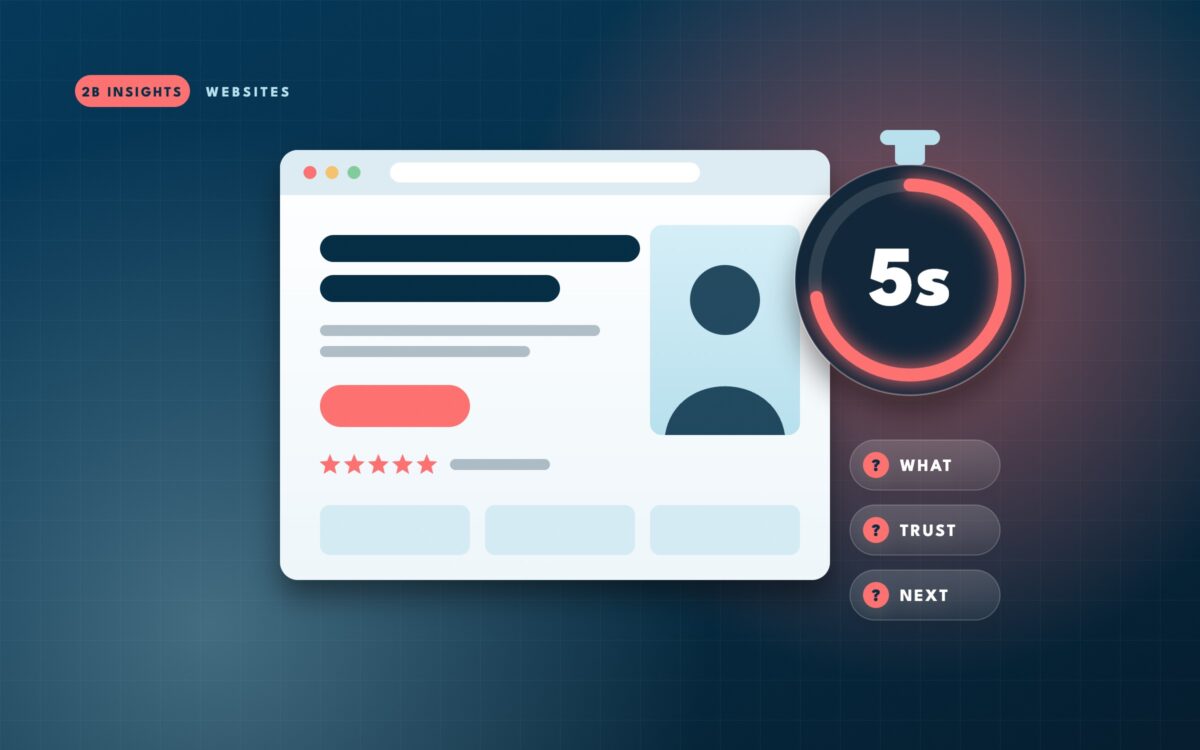
The three questions behind trust
Nearly every trust signal answers one of three questions in the customer’s mind.
Signals that prove you are real
1. Real photos of real people
Stock photos of smiling models in a generic office tell visitors nothing, and many people recognize them instantly. Photos of your actual team, your storefront on Arthur Avenue or your crew on a job site prove you exist. They do not need to be professionally shot. They need to be genuine, well lit and recent.
2. Contact details that are easy to find
A phone number at the top of every page, a physical address if you have one and a map embed all signal that you are reachable. A website with only a contact form and no phone number makes some customers wonder what you are hiding.
3. A current, maintained website
A copyright year from four years ago, a “news” section last updated in 2021 or a broken link on the homepage all suggest a business that may have quietly closed. Small signs of care, like a recent project or an up-to-date team page, say you are open and paying attention.
Signals that prove you are good
4. Specific reviews and testimonials
“Great service!” is nice. “They replaced our water heater the same day, cleaned up after themselves and the price matched the quote” is persuasive. Specific reviews answer the exact doubts a new customer has. Show your star rating and review count near the top of key pages, and feature a few detailed testimonials with a first name and neighborhood.
Weak proof
- “Best service ever!” with no name
- Reviews hidden on a separate page
- A rating with no context
Strong proof
- A detailed story from “Maria, Forest Hills”
- Rating and review count beside the main button
- Reviews that mention the service on that page
5. Examples of your work
Before and after photos, short case studies and project galleries let people judge your quality for themselves. A short note on each one, such as the problem, what you did and the result, makes them far more convincing than a wall of images.
6. Credentials and affiliations
Licenses, certifications, insurance, trade association memberships, awards and press mentions all transfer trust from an organization the customer already believes in. Show the logos, but also explain briefly what they mean. Many customers do not know what a certification involves until you tell them.
Signals that prove you are safe
7. Transparent pricing
Not every business can publish fixed prices, but almost every business can say something. Price ranges, “starting at” figures or an explanation of what affects the cost all reduce the fear of a surprise bill. When competitors are silent about price, even a rough guide can set you apart.
8. A clear process
Uncertainty is a big reason people delay. Show what happens after they reach out: when you will call back, what the first visit looks like and how long the work usually takes.
We reply within one business hour.
We visit, measure and answer your questions.
Clear price and timeline, no pressure to decide.
9. Guarantees and policies
A satisfaction guarantee, a workmanship warranty, a clear cancellation policy or a simple privacy note near your form each lower the risk of saying yes. Only promise what you can genuinely deliver. A broken guarantee damages trust faster than having none.
Quick win: Add one line directly under your contact form, such as “We reply within one business hour. Your details are never shared.” It costs nothing and answers two common worries at the moment of decision.
Put trust where decisions happen
Many websites gather all their proof on an About or Testimonials page that few visitors ever open. Trust works best when it appears right next to the request for action.
- Star rating and review count beside the main button at the top of the homepage.
- A relevant testimonial on every service page.
- Credentials and guarantee near the contact form.
- Response time and next steps on the thank-you message.
Trust does not stop at your website
Customers rarely look at your website alone. They check your Google profile, glance at your Instagram, maybe read a Yelp review, and they notice when the stories do not match. Different phone numbers, old hours, a social account that went quiet two years ago or a logo that changed on one platform but not the others all create small doubts.
Spend an hour making your presence consistent everywhere a customer might look. Use the same name, address, phone number, hours and photos across every listing, and post something recent on the platforms you keep. Then think about the first human contact, too: a friendly, prompt answer on the phone confirms everything your website promised.
What erodes trust fast
| Trust killer | What visitors think |
|---|---|
| No phone number | “They do not want to talk to me.” |
| Only stock photos | “Is this even a real company?” |
| Unanswered bad reviews | “They do not care when things go wrong.” |
| Security warning in the browser | “This site is not safe.” |
| Typos and broken links | “If the website is sloppy, the work might be too.” |
Watch out: Fake reviews, invented testimonials and badges you did not earn can destroy trust instantly if discovered, and posting fake reviews can lead to penalties from Google and regulators. Real proof, even a modest amount, always wins.
Where to start
Go through the nine signals and mark each one as strong, weak or missing on your site. Fix the missing ones first, starting with real photos, a visible phone number and your review rating near the top. Most can be done in a week.
The bigger opportunity is usually in how the pieces work together: which proof to show to which visitor, on which page, at which moment. Getting that right is part writing, part design and part understanding what your specific customers worry about most.
Want to know how trustworthy your site looks to a stranger?
We’ll review it through a new customer’s eyes and show you which missing signals are most likely costing you calls.